Mastering Your Future
Explore the possibilities for your field of interest—learn about career paths and prospects, and the benefits of a graduate education.

Top 8 Careers in Sustainability
Discover the top careers in sustainability, and how an MS in Environmental Sciences and Policy from JHU AAP can get you there. Read more

Can You Earn a Master's Degree Online?
JHU’s courses are specifically designed for working professionals. Earn a master’s degree online and entirely on your schedule! Read more

9 Top Skills for Effective Leadership in the Healthcare Industry
Learn about the skills you need to be a leader in the healthcare field. JHU AAP explains how a master’s degree can help you get there! Read more

The Future of AI in the Biotechnology Industry
Prepare for the future of AI in Biotechnology with the comprehensive MS in Biotechnology program at JHU. Read more
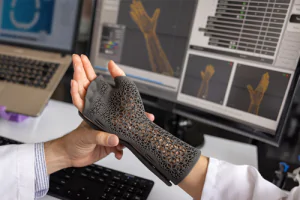
Top 10 Career Opportunities in Medical Device Development
JHU AAP explains how a master’s degree can boost your career in medical device development. Read more

9 Career Paths to Pursue with a Master's in Writing
For those passionate about storytelling, JHU AAP explores 9 professional writing careers. Learn about earning your MA in Writing. Read more

What is a Climate Change Analyst and How to Become One
Learn about what climate change analysts do, and how to gain access to one of the many rewarding careers in this field. Read more

How to Become an Intelligence Analyst (And What They Do)
Johns Hopkins University’s MS in Intelligence Analysis program provides a pathway to becoming an intelligence analyst or to advance your existing intelligence career. Read more

Why Networking is Important for Career Advancement
Networking can open doors, boost your career, and introduce you to key opportunities in your field. It’s more than just knowing the right people… Read more

10 Key Skills for Data Analysts
Learn more about the specialized skills and new technologies needed to excel in the in-demand and rewarding field of Data Analysis. Read more

Energy Policy and Climate Careers
Whether you’re a policy architect looking to move into an environmentally focused career or a climate scientist ready to make a real impact, consider how a Master of Science in Energy Policy and Climate degree can give you the boost you need. Read more

Why Pursue a Master’s Degree in Museum Studies
The specialized MA in Museum Studies degree helps you hone the skills you need to bridge the gap between educating the public and holding their attention. Read more

Biotechnology vs. Bioinformatics: What's the Difference?
Both biotechnology and bioinformatics offer exciting opportunities for growth and innovation. Each field works to advance our understanding of biological sciences, yet they do so in distinct ways. Read more
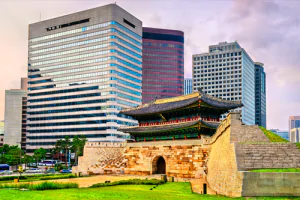
Considering a Career in Cultural Heritage Management?
Help foster intercultural understanding and dialogue, protect our history, and promote a greater appreciation of the incredible diversity of human culture with a career in cultural heritage management. Read more

Biotechnology Master’s Degree: Career Opportunities & Paths
Biotechnology offers diverse career opportunities ranging from agriculture to healthcare to national security. A master’s in biotechnology can advance your career, allow you to explore new fields, and make a positive impact on the world. Read more

What is Regulatory Science?
Ethics, public health, and medicine intersect with compliance, consumer safety, and public health in regulatory science. Learn about potential career paths and the value of this master’s degree. Read more

How to Become an Immersive Storyteller
Learn how the MA in Film and Media program’s Immersive Storytelling and Emerging Technologies concentration helps you develop the skills and knowledge to elevate yourself to the cutting edge of innovation. Read more

Explore Careers in Regenerative and Stem Cell Technologies
The skills and expertise gained through a regenerative and stem cell technologies graduate program can open the door to a host of careers. Learn what this master’s degree can do for you. Read more

How to Choose a Master's Degree Concentration
Your chosen concentration should give you specialized knowledge—expertise that helps you stand out in the job market, making you a sought-after candidate for specific roles within your field. Read more

Explore Five Nonprofit Management Careers
If you have a passion for leading positive change, a career in nonprofit management may be the perfect fit. Get insights into the field of nonprofit management, including average salaries and career paths. Read more
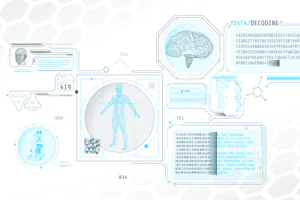
What Can You Do With a Master's in Bioinformatics?
The specialized knowledge you’ll gain from a master’s degree program can help guide you toward a fulfilling career in bioinformatics, harnessing the power of technology to decipher complex biological information. Read more

Intelligence Analyst Career Paths with a Master's Degree
Intelligence analysts collect and evaluate information to predict behavior and inform decisions. If you enjoy critical thinking and pattern recognition—and hope to make an impact through your work—intelligence analysis may be a fit for you. Read more

Applied Economics vs. Financial Economics
Exploring a graduate degree in economics? You might be weighing the benefits of a master’s in applied economics versus a master’s in financial economics. Read more

Discover the Benefits of a Master’s Degree in Film and Media
A master’s degree program in film and media offers a deeper understanding of the business and creative practices involved in filmmaking and media production. Read more

Finding a Career in Government
Skills and expertise developed in a master’s in government program can help you advance your career and effect change at the local, national, or global level. Read more

What to Know About Pursuing a Master's in Financial Economics
Learn about the core components of graduate study in financial economics and how a degree program can position you for success in the dynamic world of finance. Read more
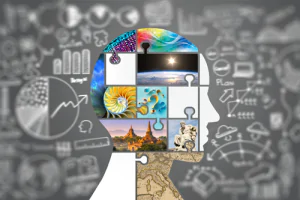
What is a Master of Liberal Arts, and How is It Useful?
A Master of Liberal Arts is a graduate degree earned through an interdisciplinary course of study that immerses students in topics like literature, history, art, science, philosophy, and culture. Read more

Five Communication Career Paths to Consider
A communication master’s degree program can offer the writing, strategic thinking, creative, and technical skills and knowledge you need to achieve your goals. Read more
What Can You Do With a Master's in GIS?
A GIS master’s degree program equips you with a solid foundation in geospatial data technologies and science. This foundation fosters skill development in programming, prediction and analysis, and project management. Read more
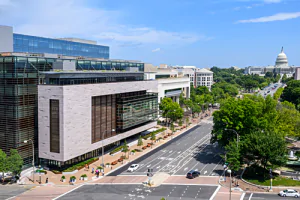
Your Guide to Hopkins in D.C.
Whether you’re visiting for a day or attending in-person classes long-term, you’ll find the Hopkins Bloomberg Center offers a host of opportunities and amenities designed to help you learn, connect, and collaborate. Read more

Where Will a Master's Degree in Global Security Take You?
Prepare for a career in foreign affairs or national security with an MA in Global Security. View career paths and how this program helps you meet personal and professional goals. Read more

What Can You Do With a Master's in Organizational Leadership?
The skills honed and knowledge developed in a professional graduate program are beneficial and transferable at almost every level of an organization and across many industries and fields. Read more

What Can a Graduate Program Do for You?
Discover how a master’s degree program can help you boost your earning potential, update your skills, strengthen your network, and perform at your peak. Read more

Why You Should Consider a Career in Data Analytics
Demand for data analysts is growing and skilled professionals have a host of pathways to advance in their field or break into a new one, contributing to organizations large and small across many industries and fields. Read more

How to Choose a Graduate Program That’s Right for You
Wondering where to start when choosing a graduate program from among the many options? Learn how to develop your criteria, create your list, and evaluate program requirements. Read more